The Europeana Conference 2025 – Preserve, Protect, Reuse – has passed, and we are reflecting on everything that happened and all the new things we learned. At the same time, we are revisiting some familiar topics with fresh eyes.
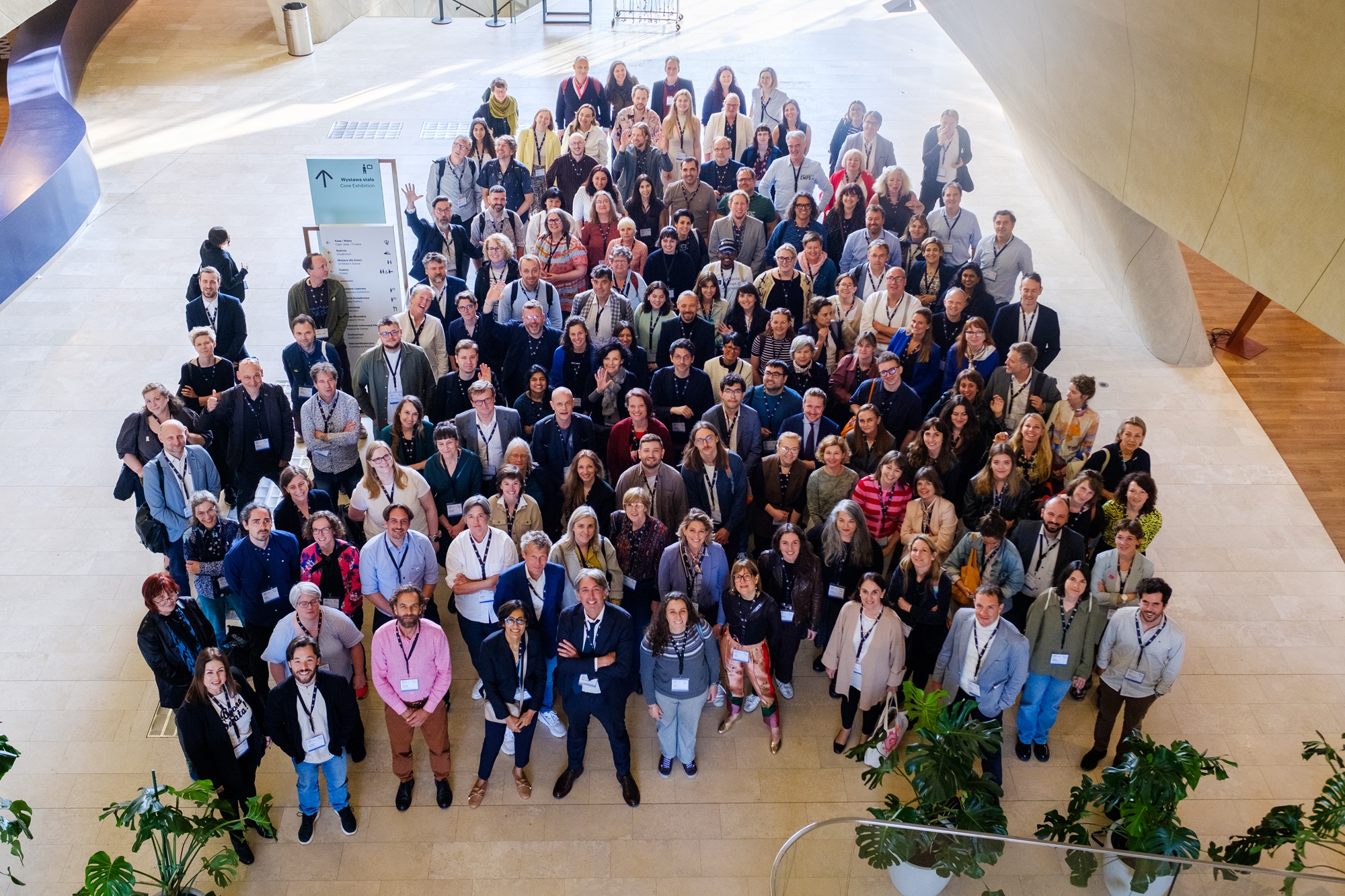
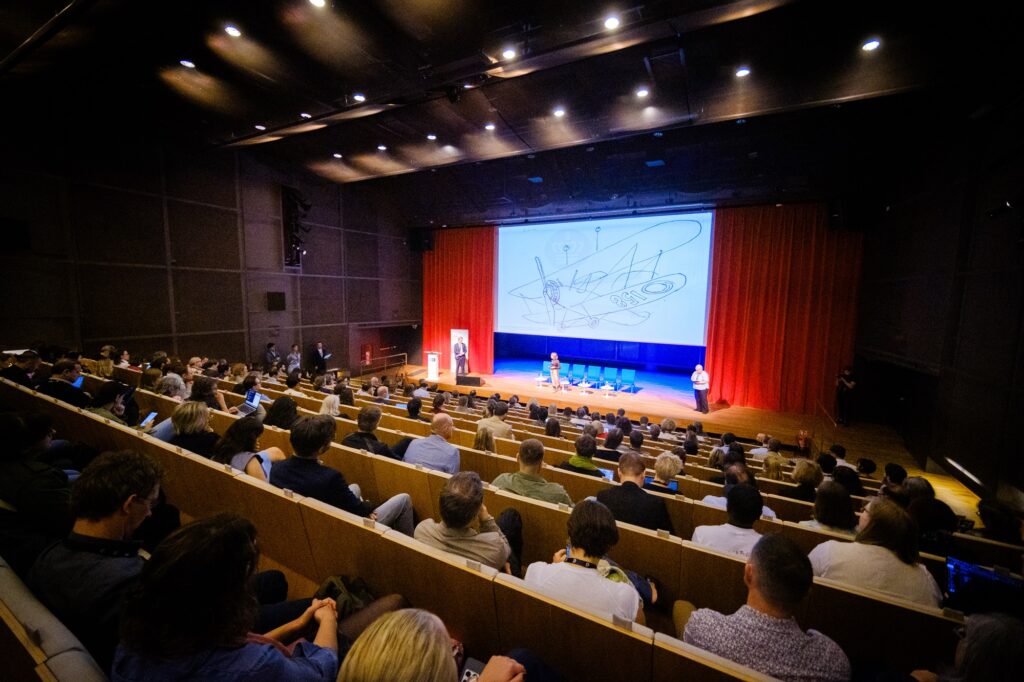
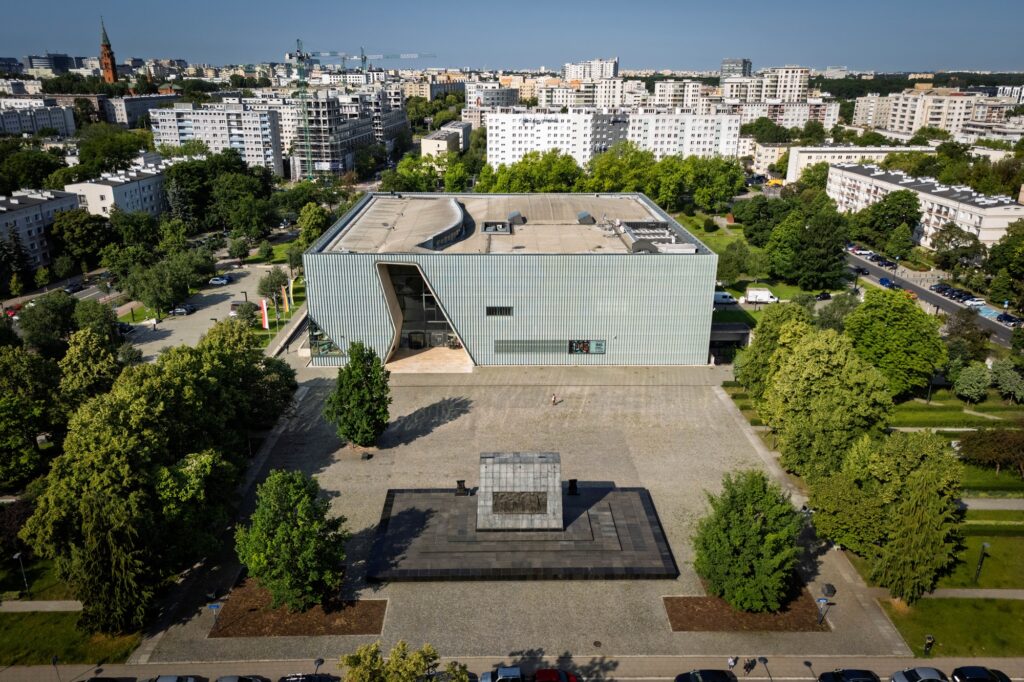
The conference took place in Warsaw from 11 – 12 June 2025, under the patronage of the Polish Presidency of the Council of the EU. It was organized in collaboration and partnership with the Ministry of Culture and National Heritage, the National Institute of Cultural Heritage and the POLIN Museum in Warsaw, who hosted the conference. With hundreds of cultural heritage professionals attending onsite and online, Europe’s cultural heritage was once again the main character of a never ending story.
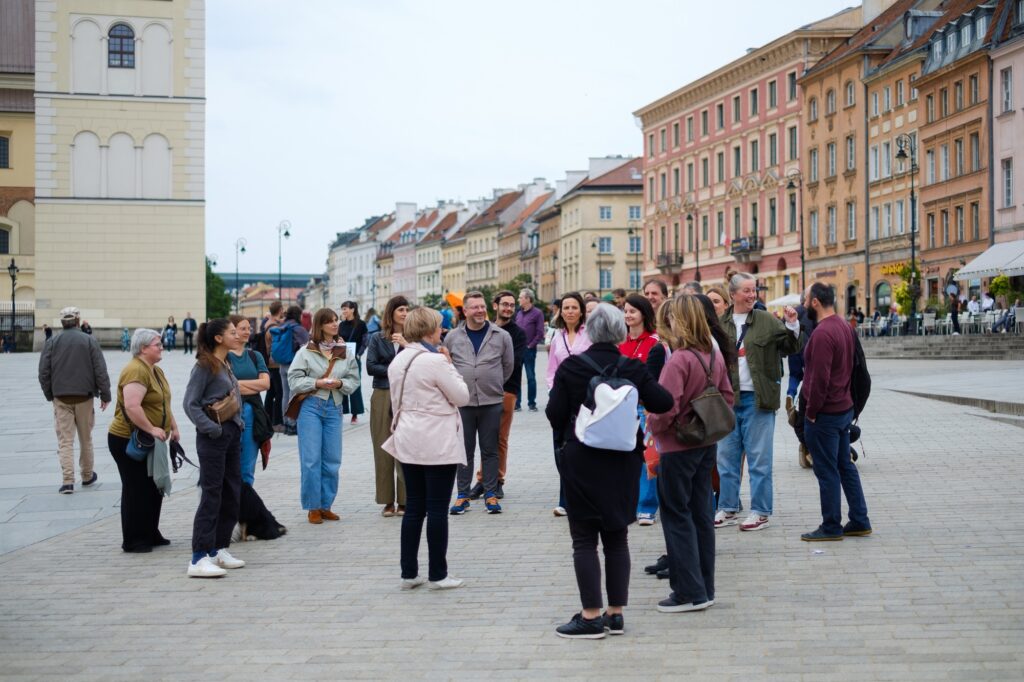
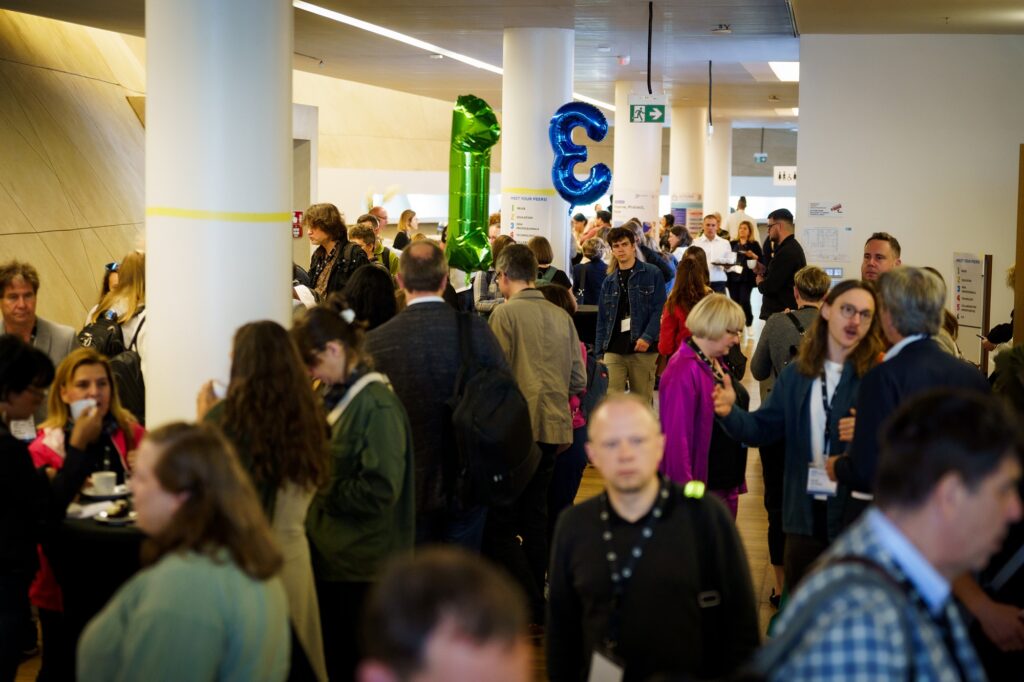
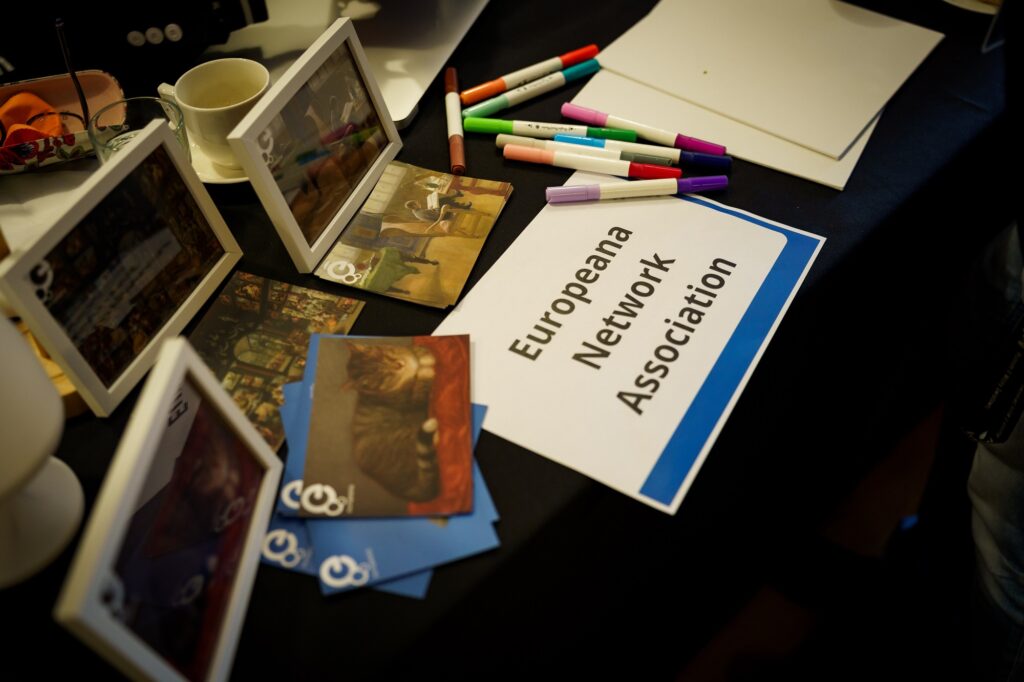
During the two conference days in Warsaw, the attendees got the chance to dip into the city’s history through the city walking tour in the first evening and the historically relevant event location, the POLIN Museum. These circumstances set the scene for fruitful talks, discussions, workshops and presentations. Clearly, the talks and discussions were not limited to the sessions, but lead to continuing exchange in the networking fair during the coffee breaks, featuring key players like the Europeana Network Association and the Europeana Aggregator’s Forum as well as current projects like Eureka 3D-XR, 3D Big Data Space, 3D4CH, ECHOES and many more.
Topics and key aspects
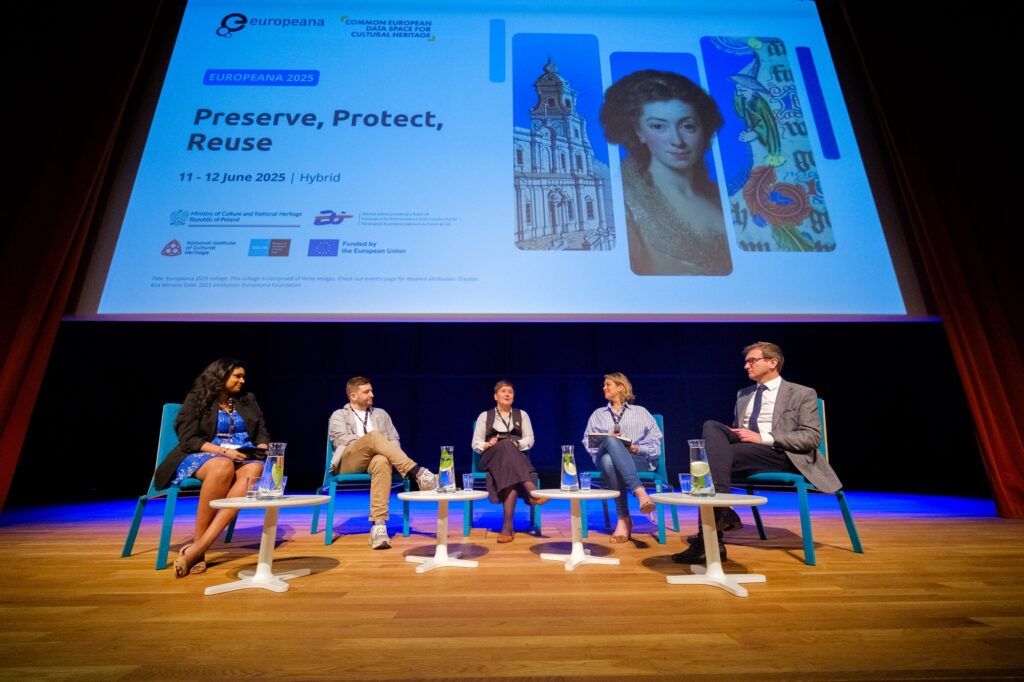
The range of topics was very widespread, naturally circling around the Data Space for Cultural Heritage that is slowly taking shape. In that spirit, the thoughts about the Data Space also determined the opening session and panel discussion. Main points of the discussion and the presentations were:
- Connection to other Data Spaces (mainly Tourism Data Space)
- Supporting projects (e.g. ERIS, ZAUBAR…)
- Advanced technologies for cultural heritage (AI, XR, 3D)
Europe’s vision of a transition to digital, green and social practices could be found in many aspects of the conference topics. Emerging new technologies offer the possibility to shape the cultural heritage sector in a sustainable way. An example for this phenomenon arose by the strong connection between the DS4CH and the Tourism Data Space. AI models will help us in the future to manage and present our cultural heritage. In addition, it can be key in creating sustainable tourism by analyzing tourism data and thereby managing tourism flows.
AI, 3D and XR
Naturally, AI and other emerging technologies were key words regularly mentioned during the whole conference. All of them offer great opportunities in cultural heritage storytelling and dissemination. The basis of Extended and Virtual Reality is the 3D digitization of cultural heritage objects. In that respect, the projects of Eureka3D were mentioned once again, as well as the reuse scenarios of 5DCulture. Attendees also learned about application scenarios like “Breaking Out” or “Berliner Unterwelten”, created by ZAUBAR as well as XRECO, a platform to manage, create, reuse and share 2D, 3D and XR experiences.
In connection to AI the speakers also talked about raising awareness for the huge impact that cultural heritage data has on AI models. We have to be aware that by moving towards Open Science we give our data to the Public Domain that feeds various AI models. Therefore, it is necessary to talk about how we can shape a space where our goals of transparency, openness and ethics can exist next to the possibilities and dangers that AI offers. We need to create standards that can be followed by creative sectors. In regard of this problem, the Creative Commons Community developed the idea of so-called “CC Signals” to enable the “licensing” of resources against AI use. These signals are recommendations rather than rules, since we still want the data to be open, usable and generally compliant to the FAIR principles. The idea is to create signals to apply to cultural heritage data, that signal how and if the owner of the data wants it to be used for AI training.
Further information and material
The topics during the conference were widespread, connected to former and new projects shaping the Data Space for Cultural Heritage and Europe’s development towards a digital, green and social transition. Visit Europeana Pro if you want to learn more about the dedicated community or the conference itself.